

On Sanctuary
Architectural Possibilities for Domestic Violence Shelters
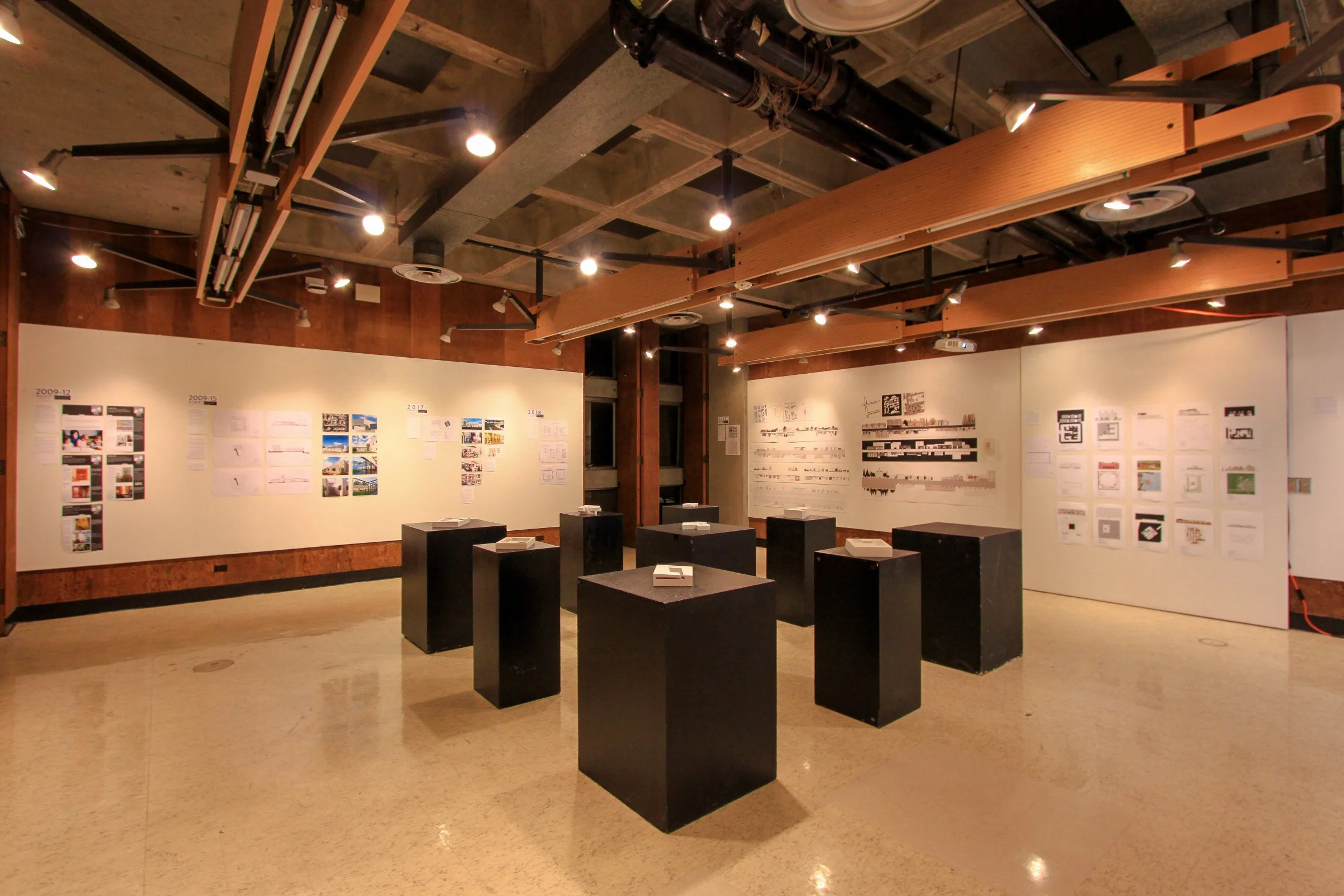
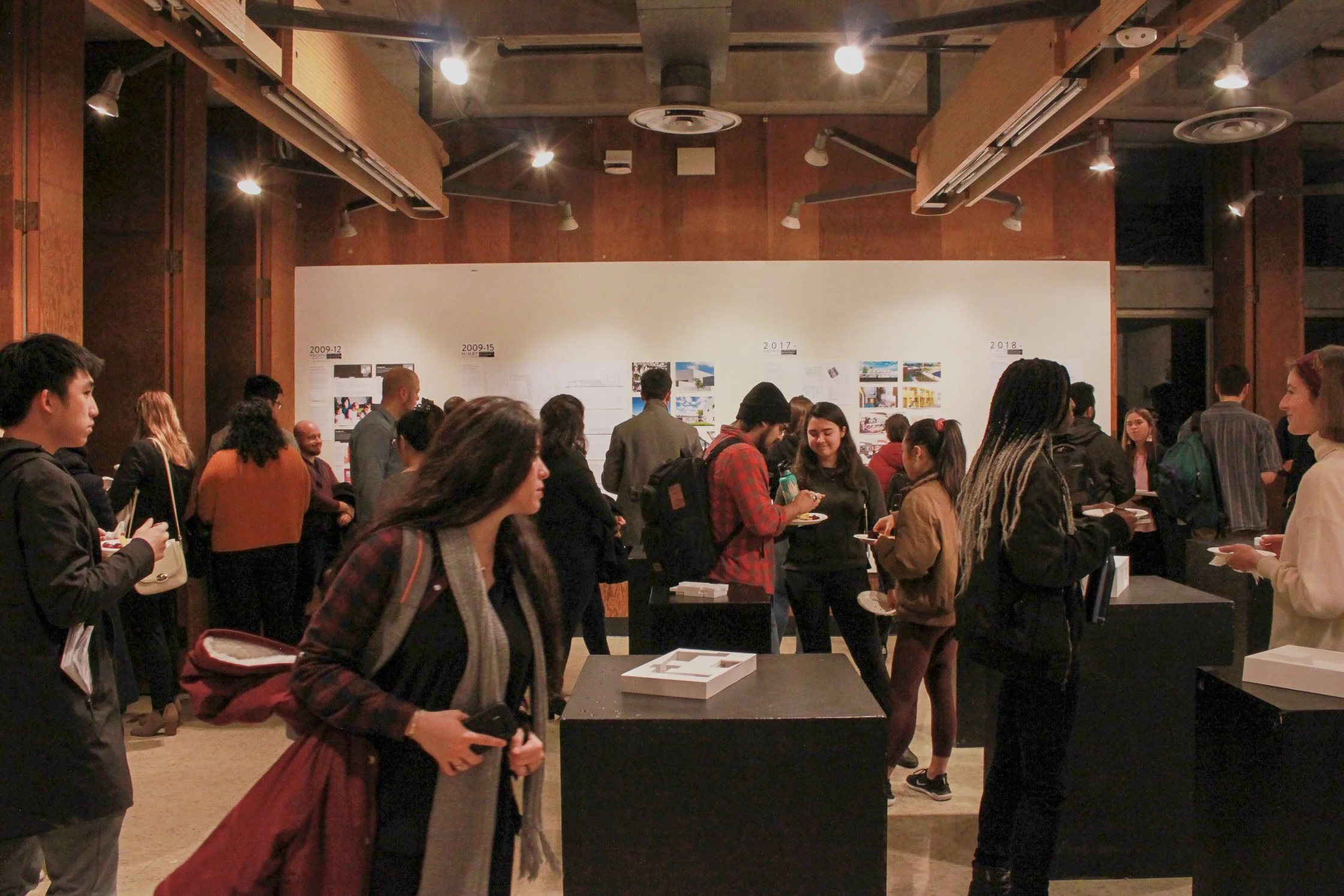
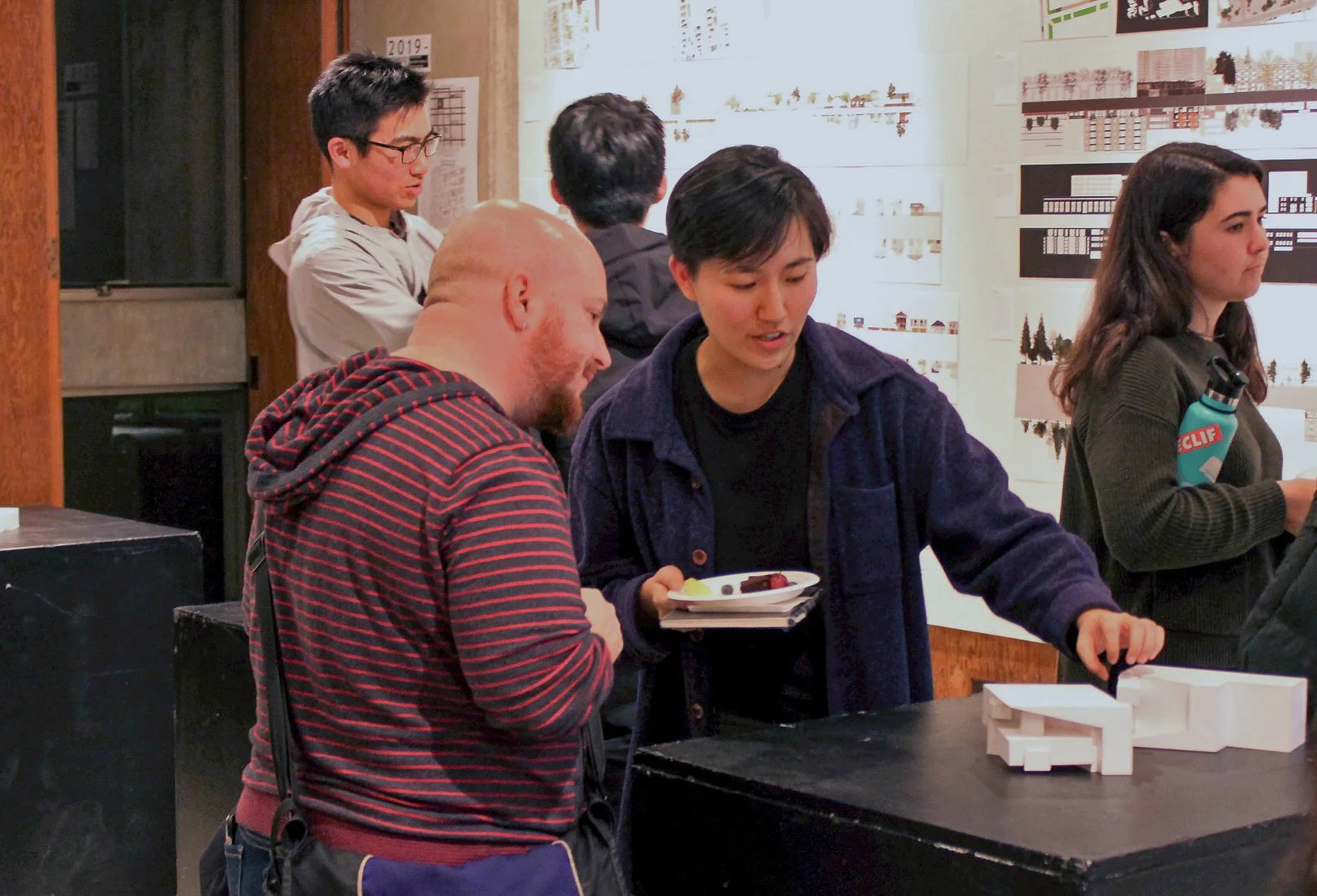
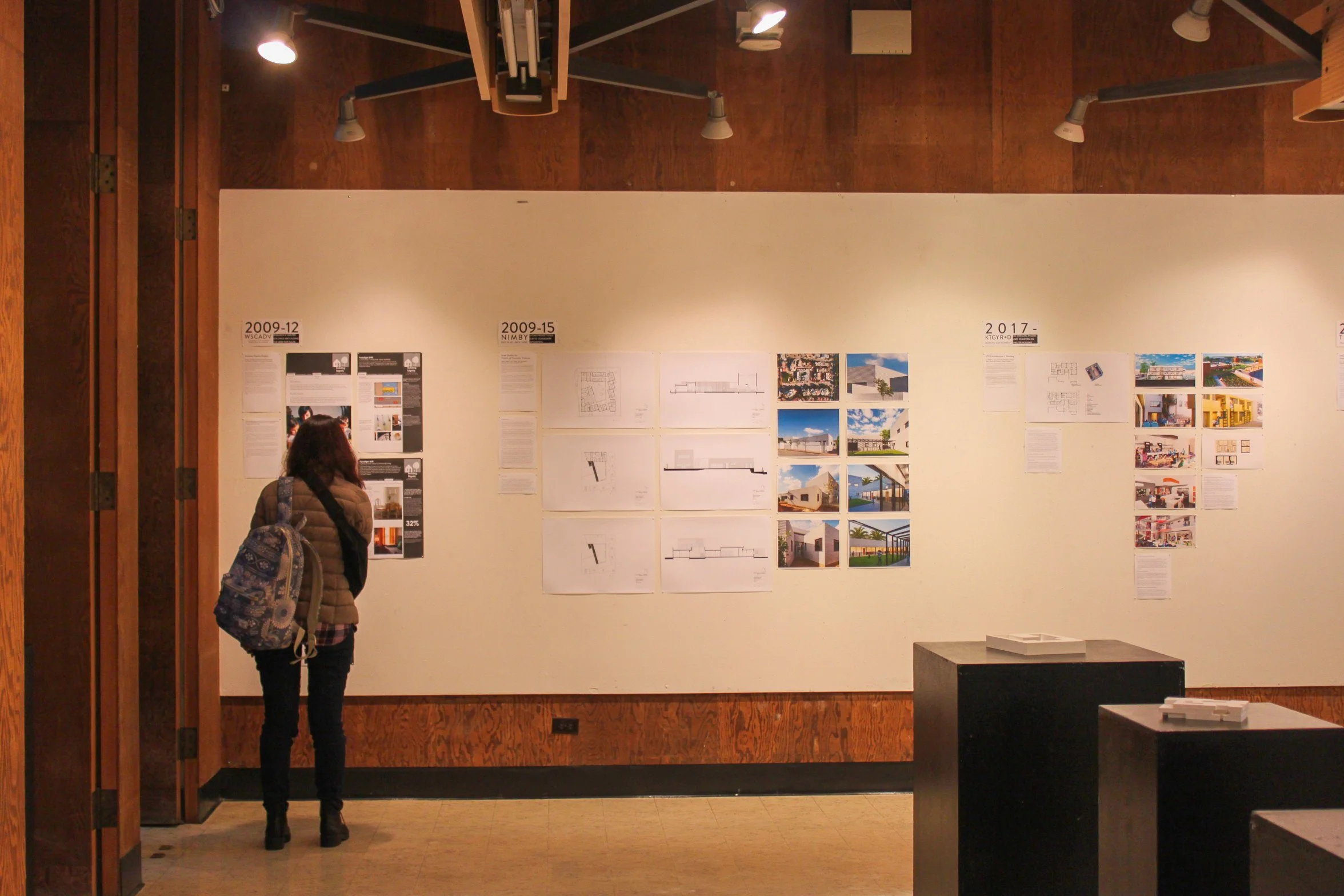
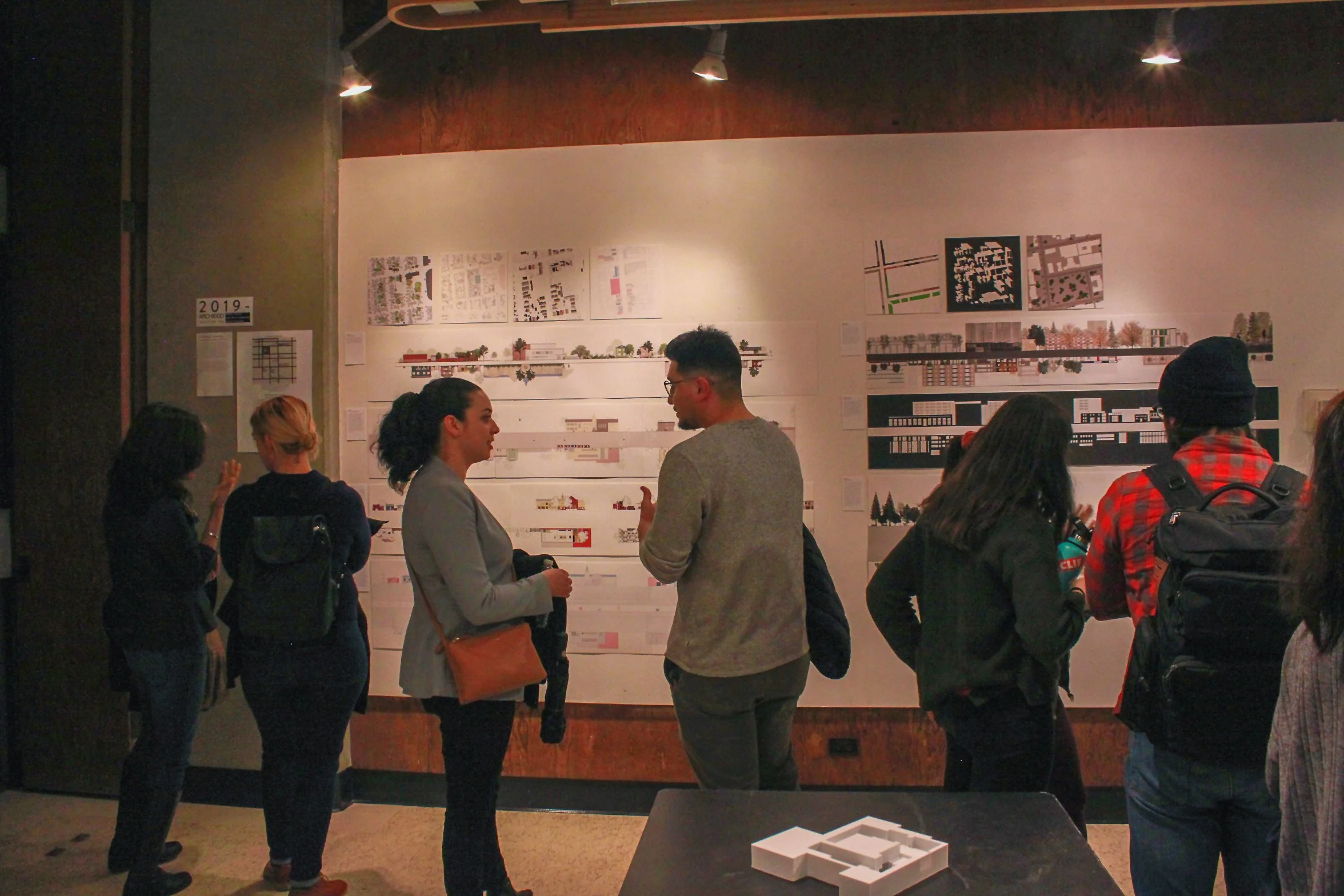
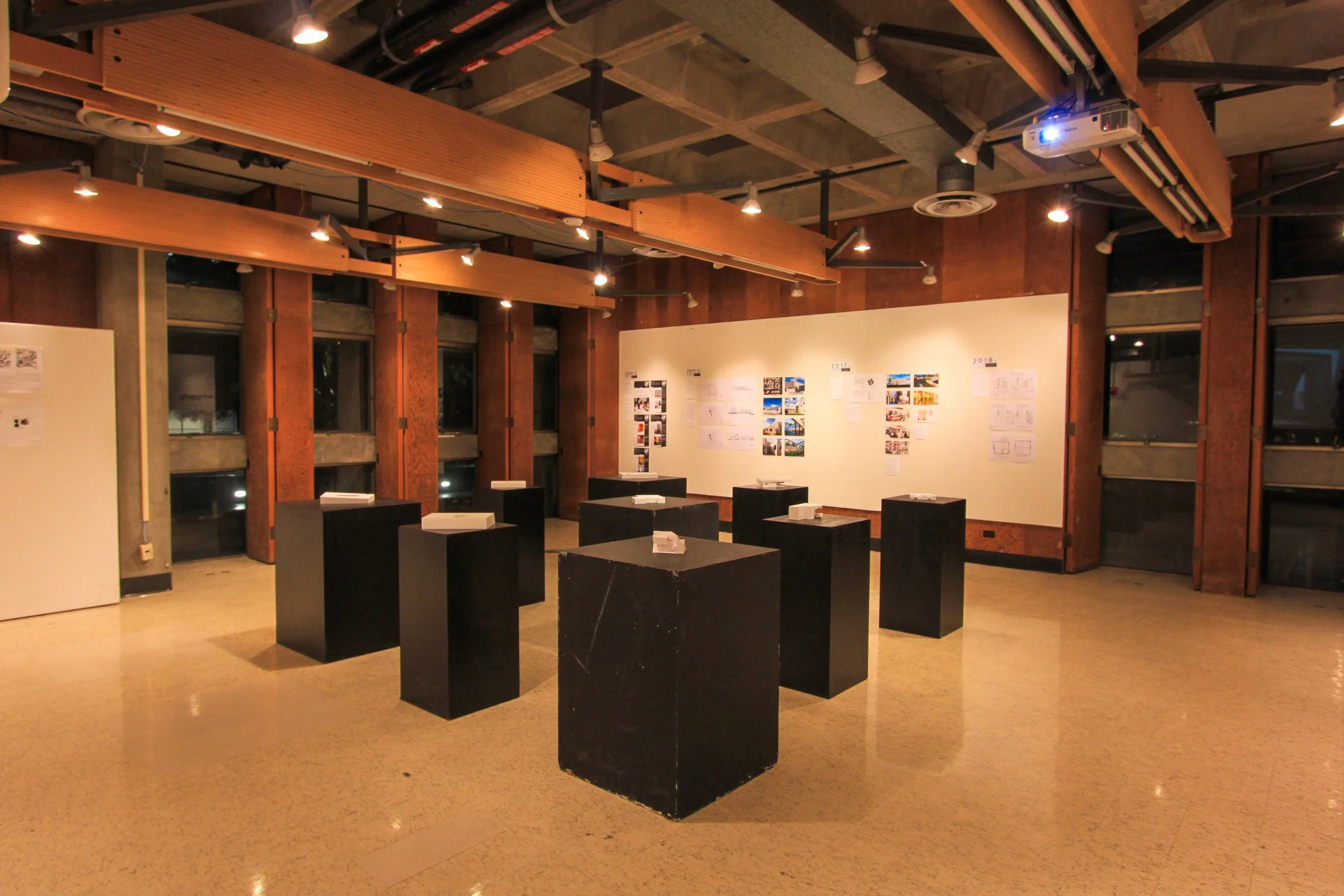
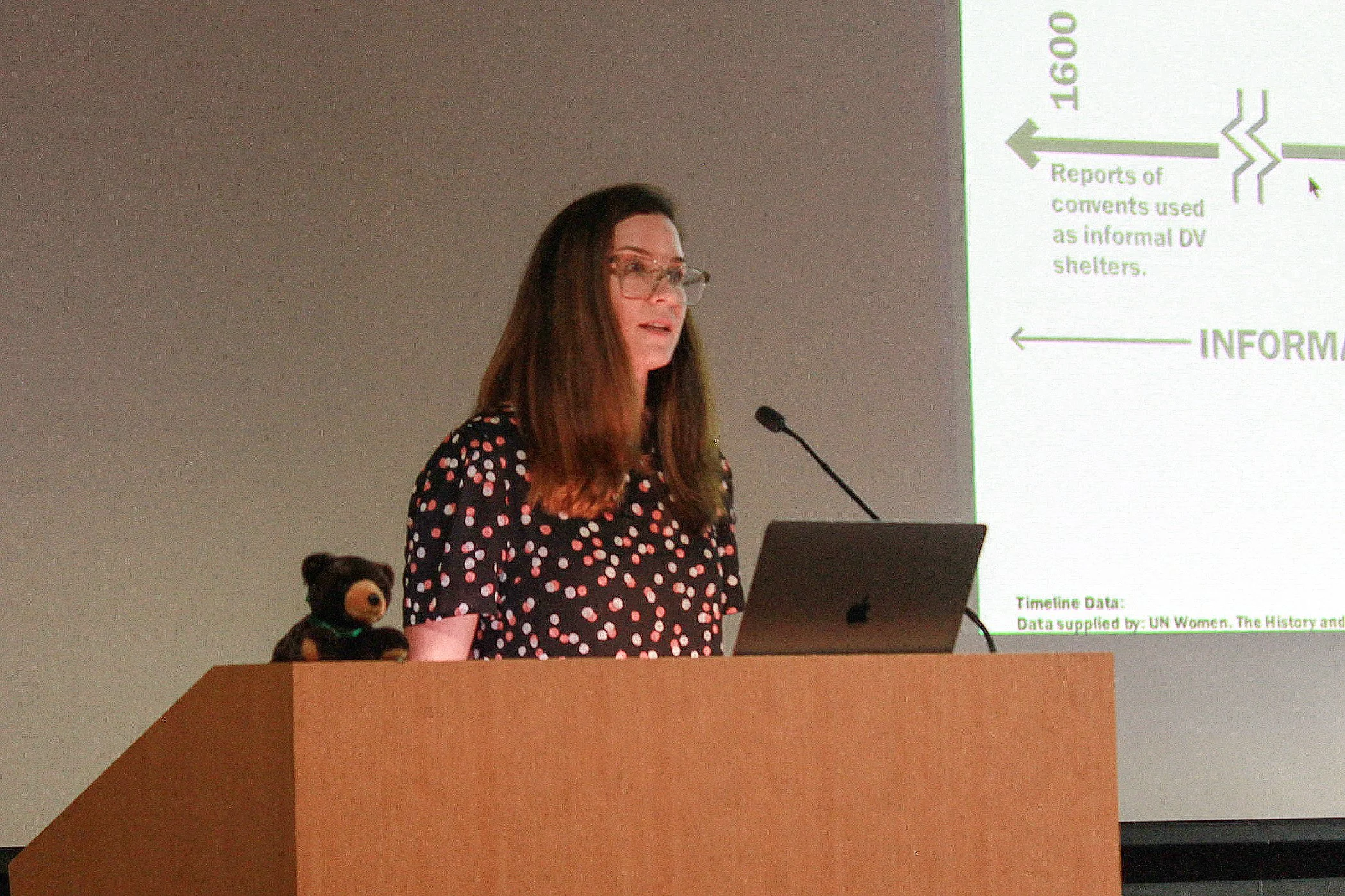
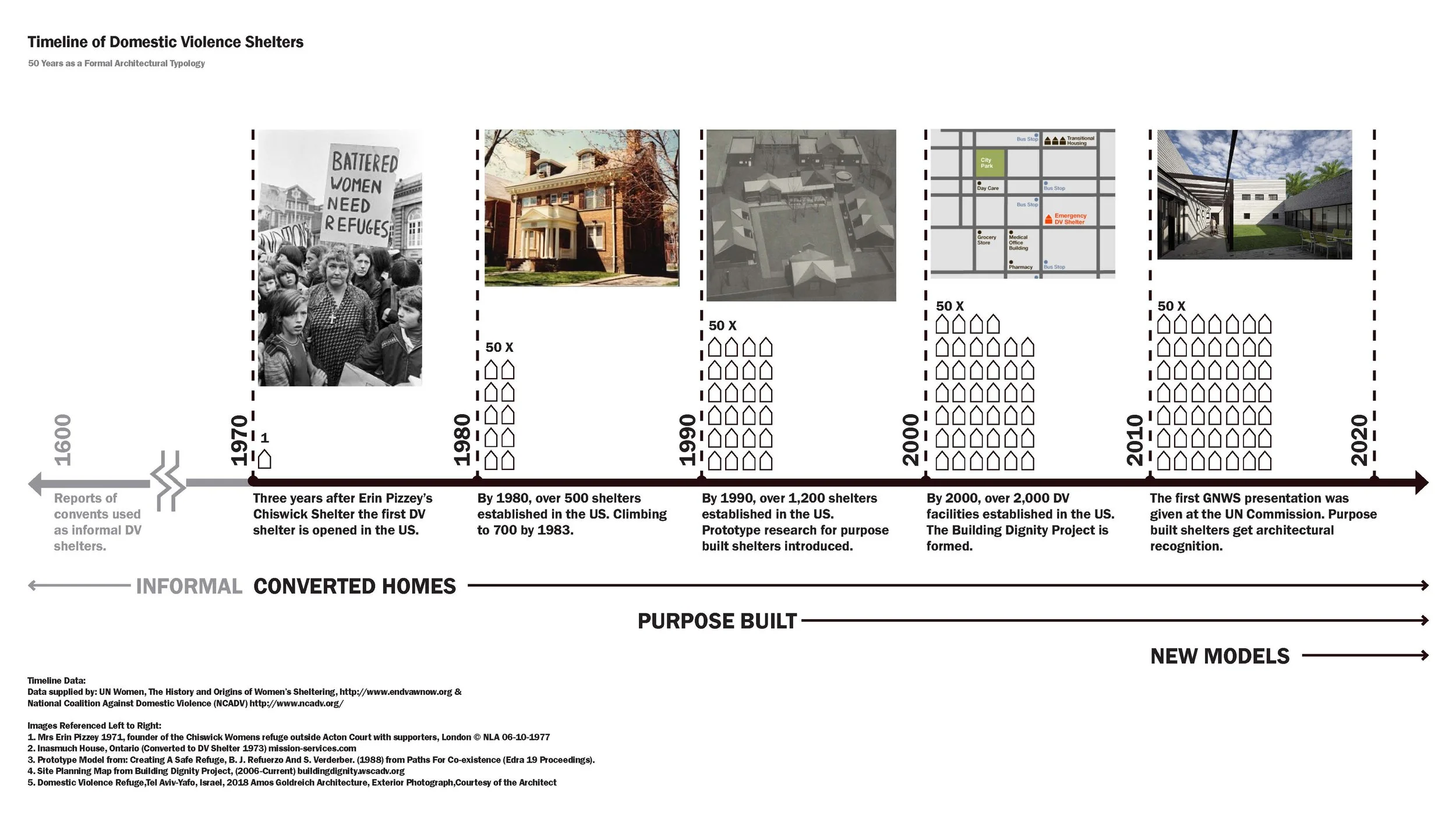
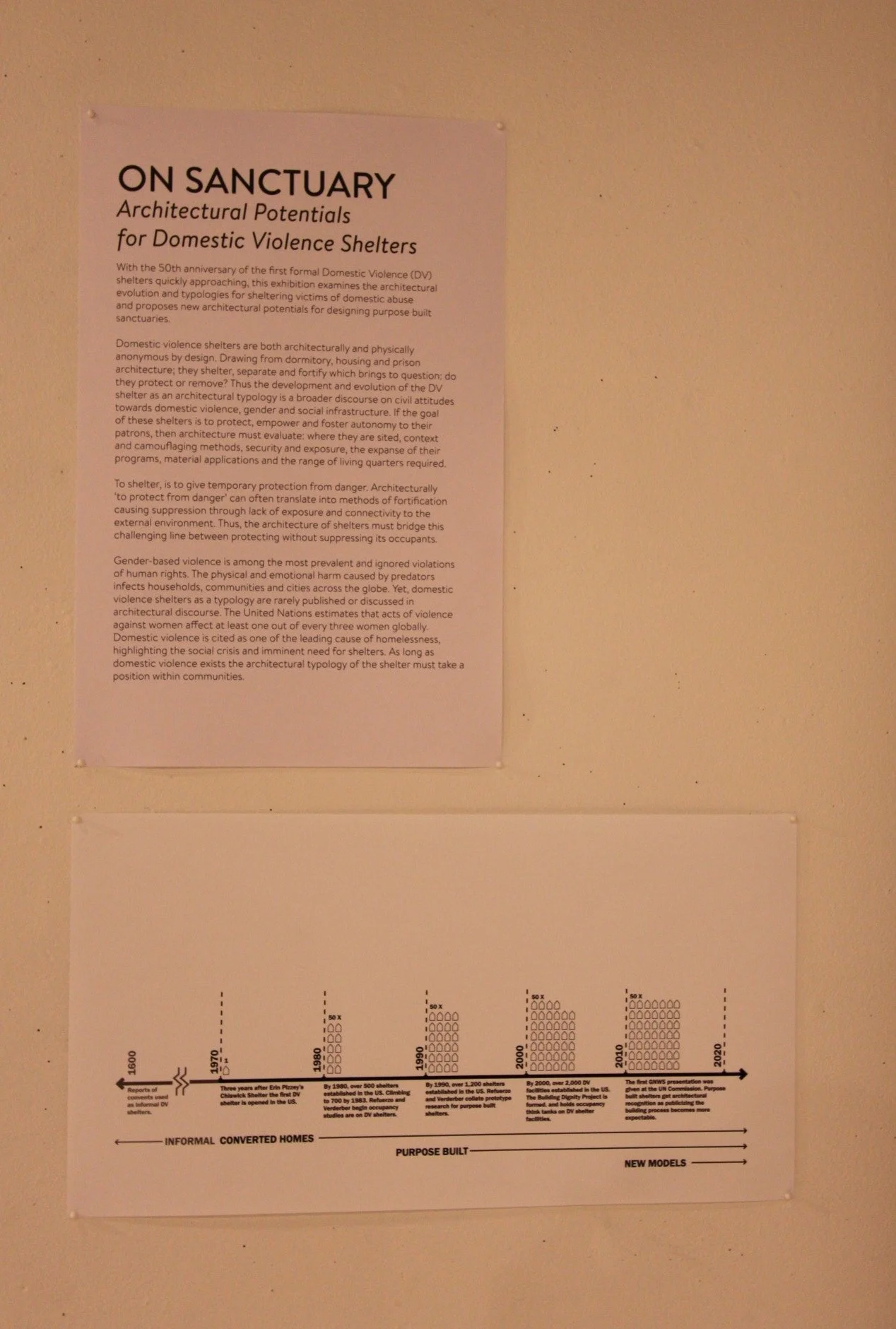
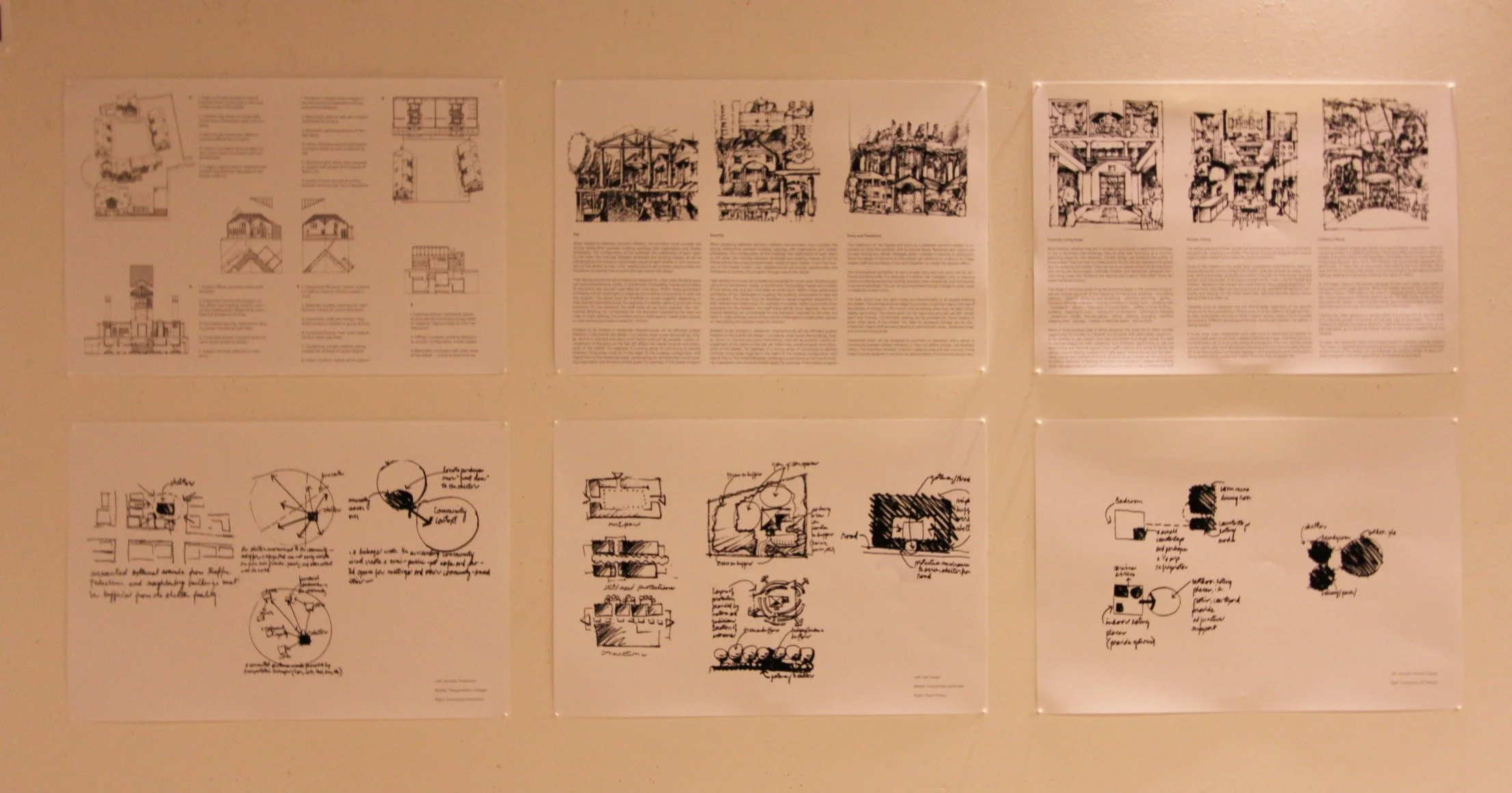
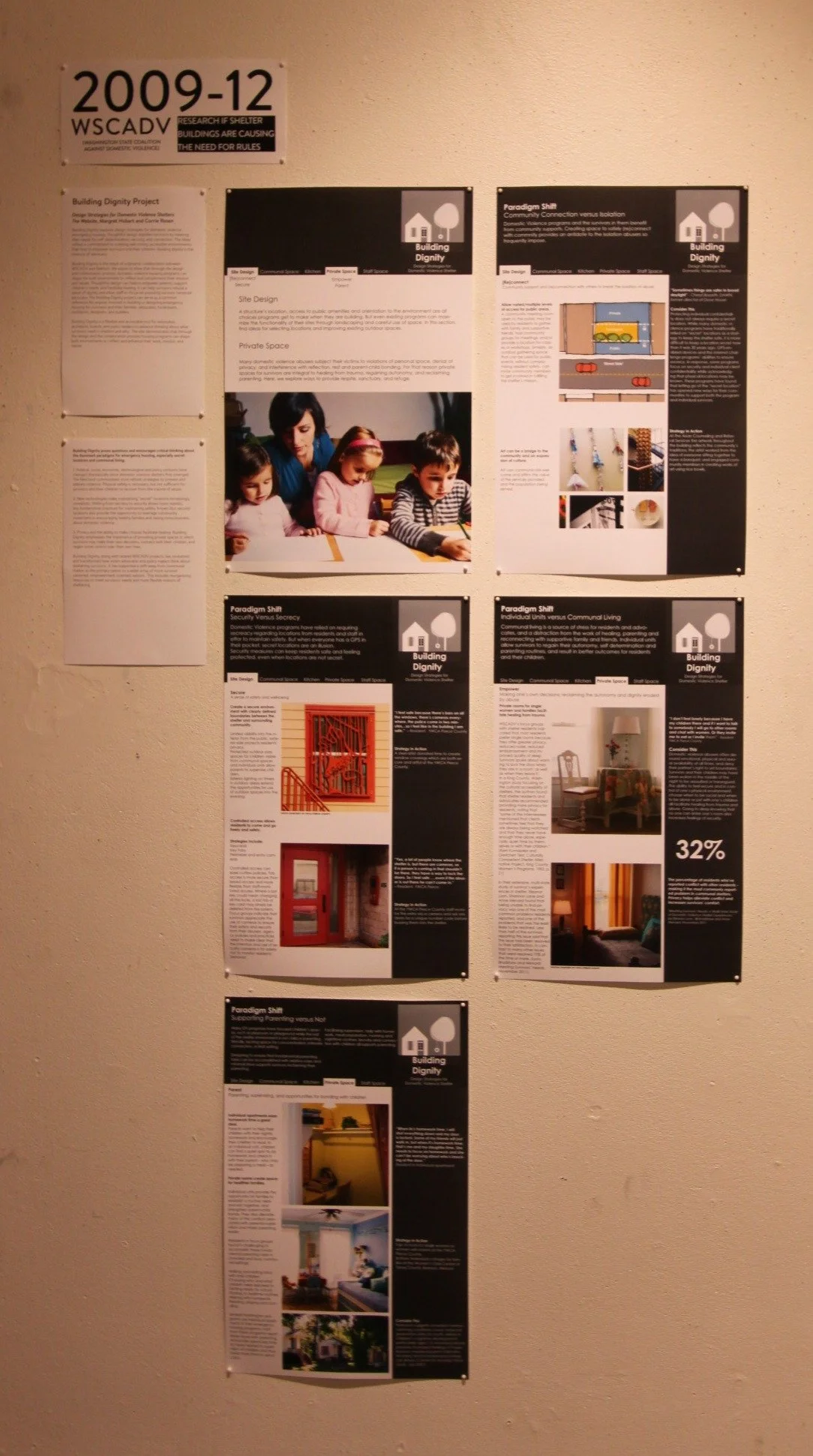
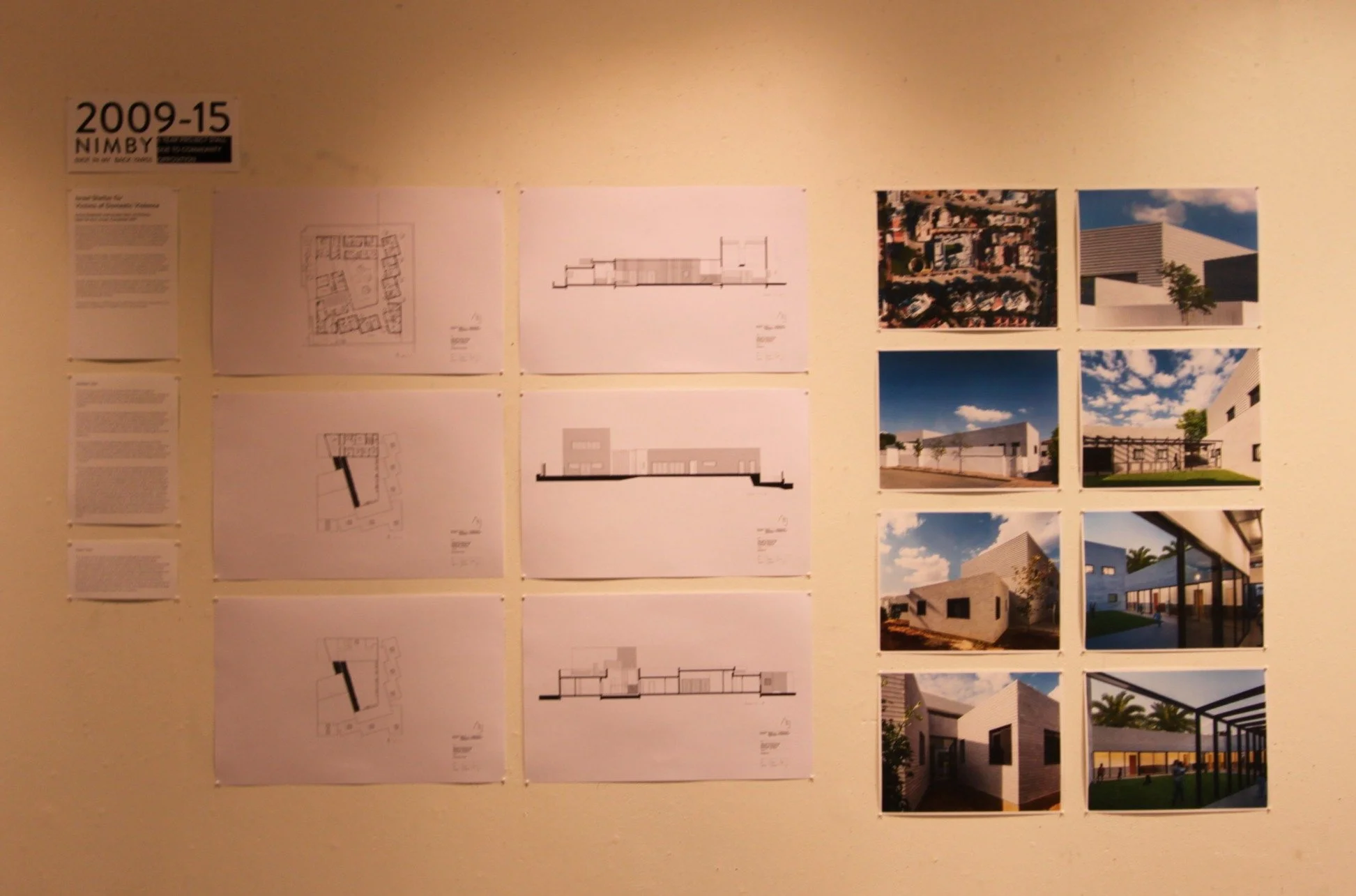
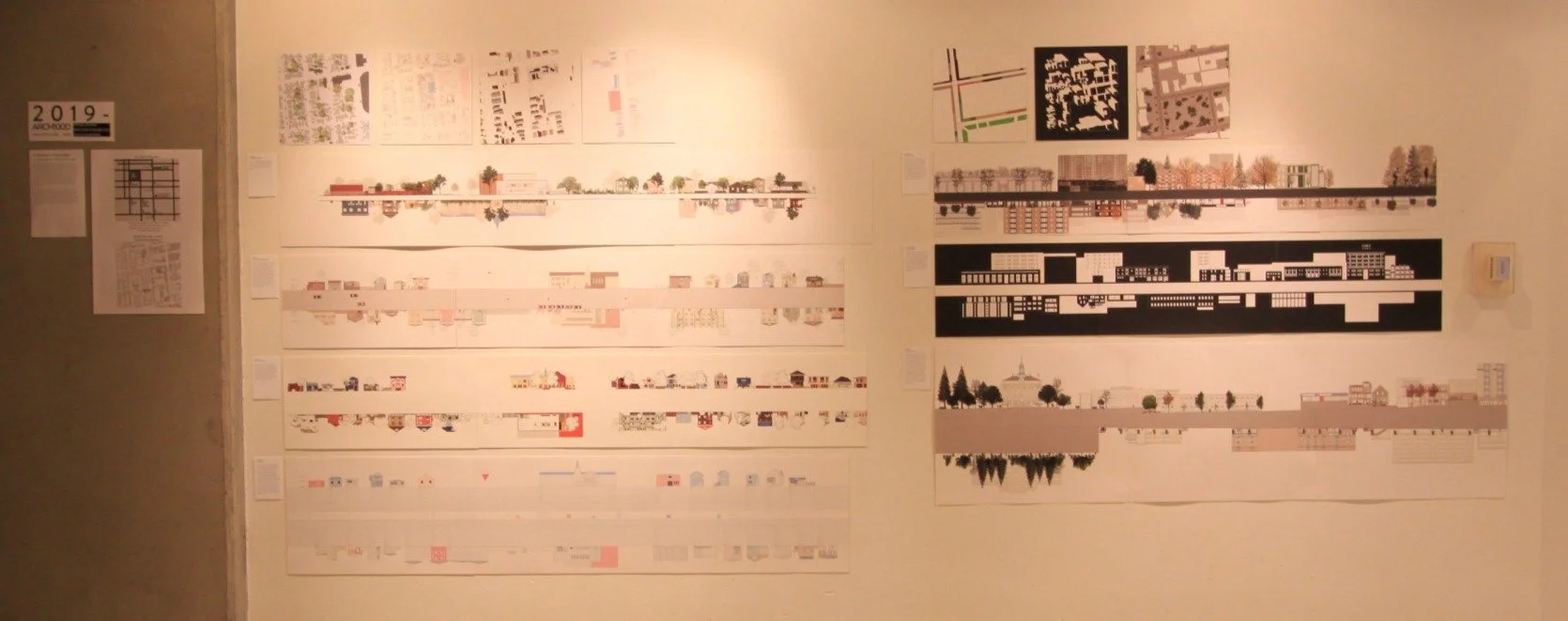
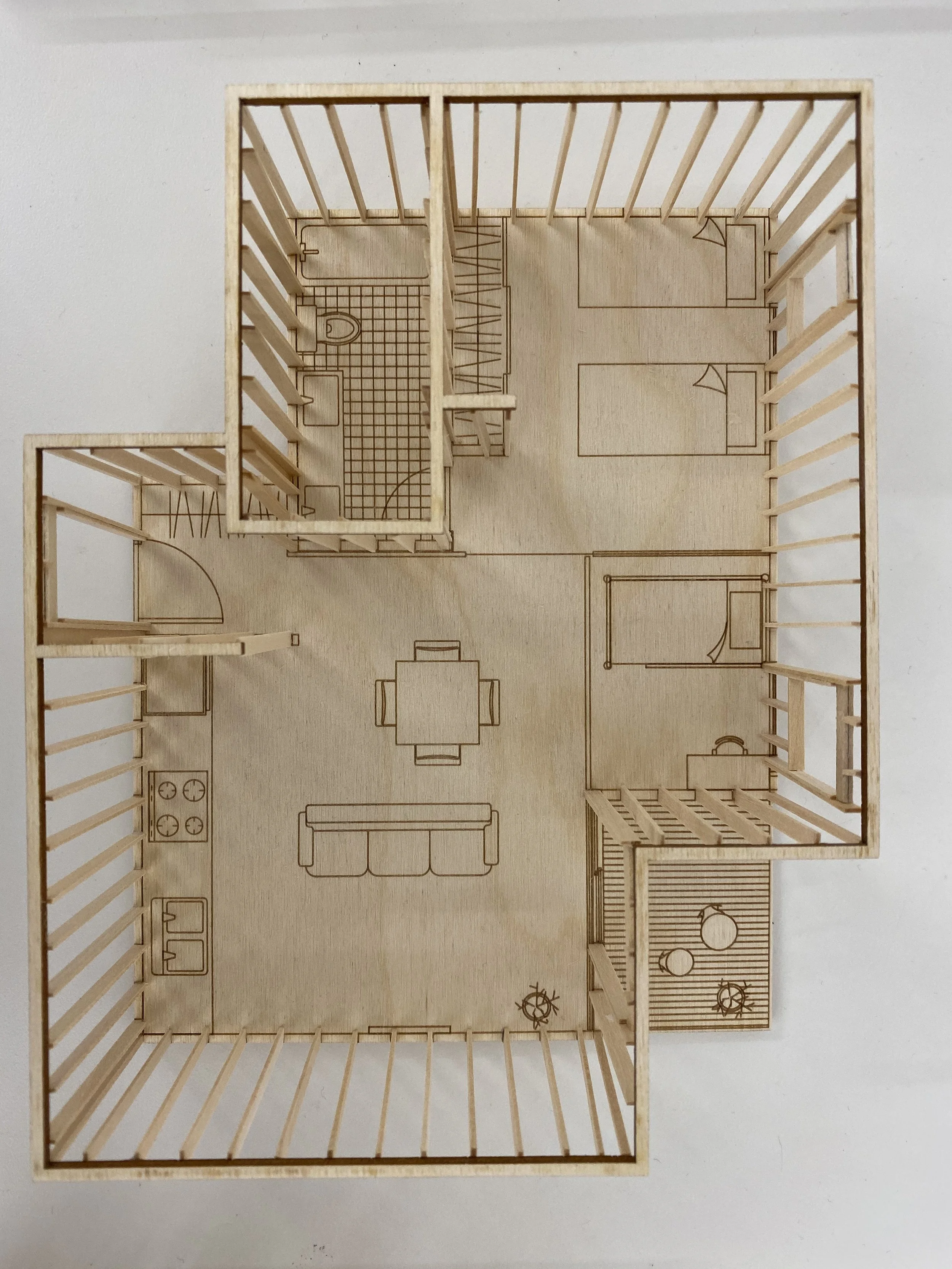
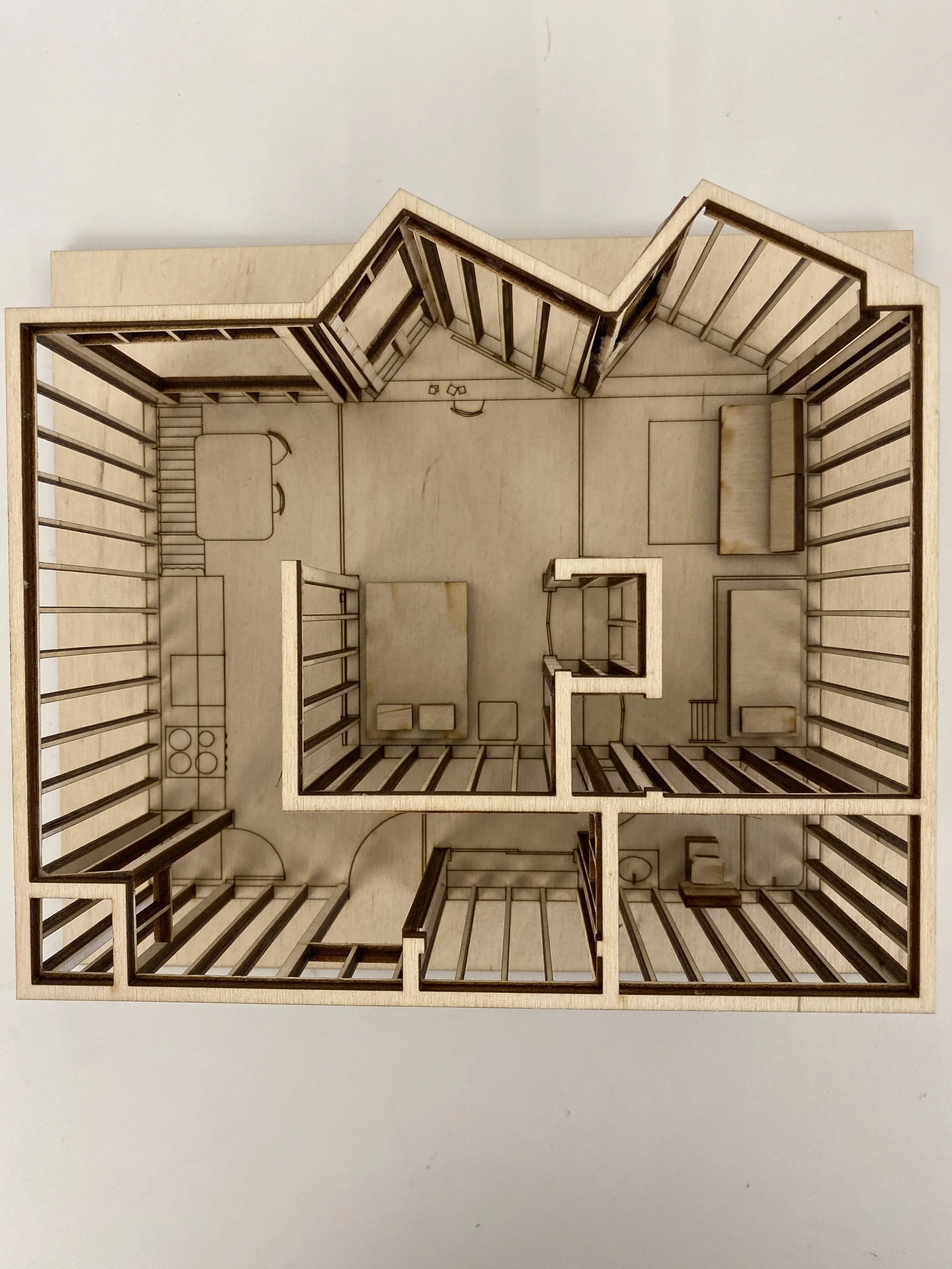
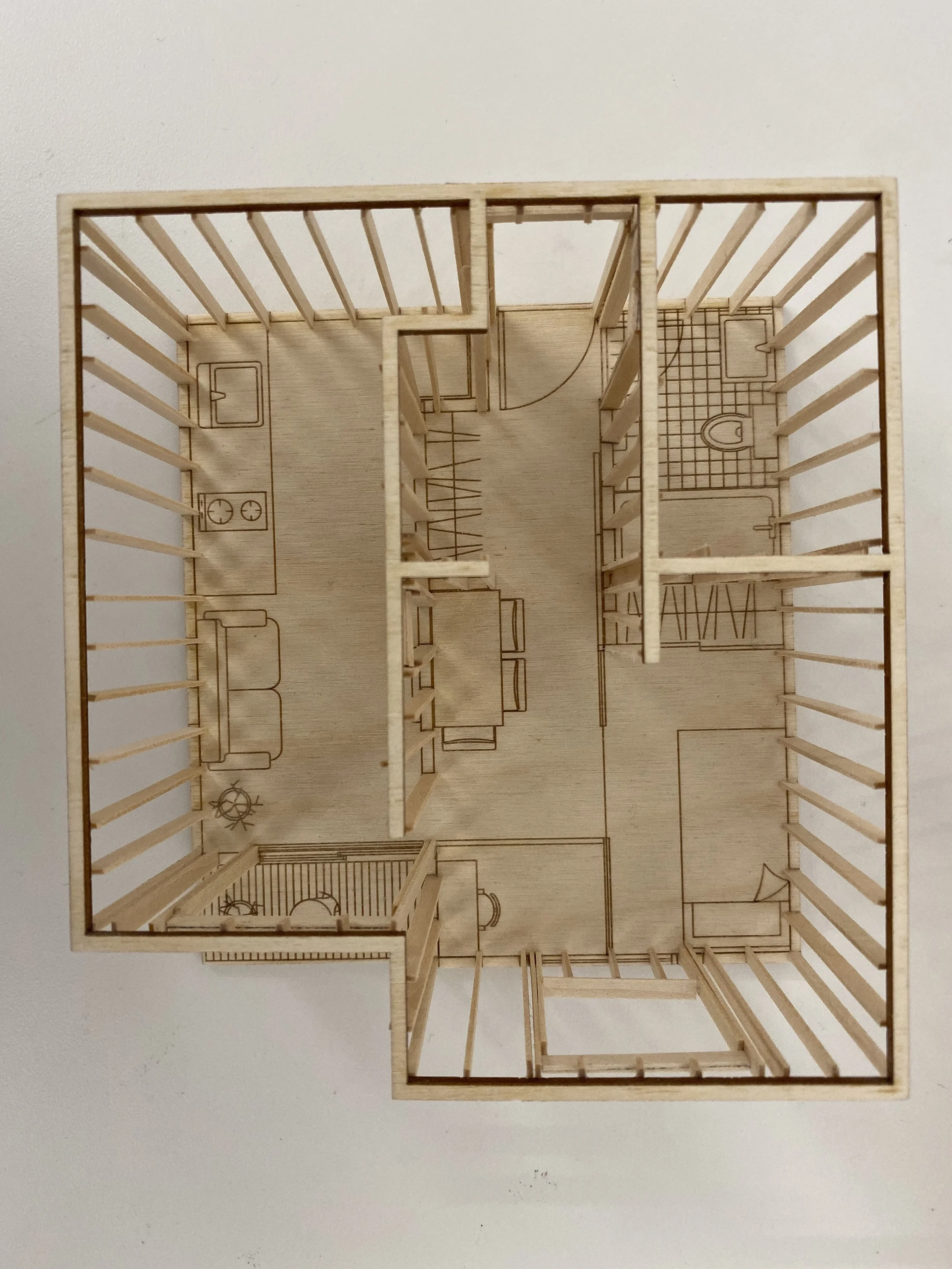
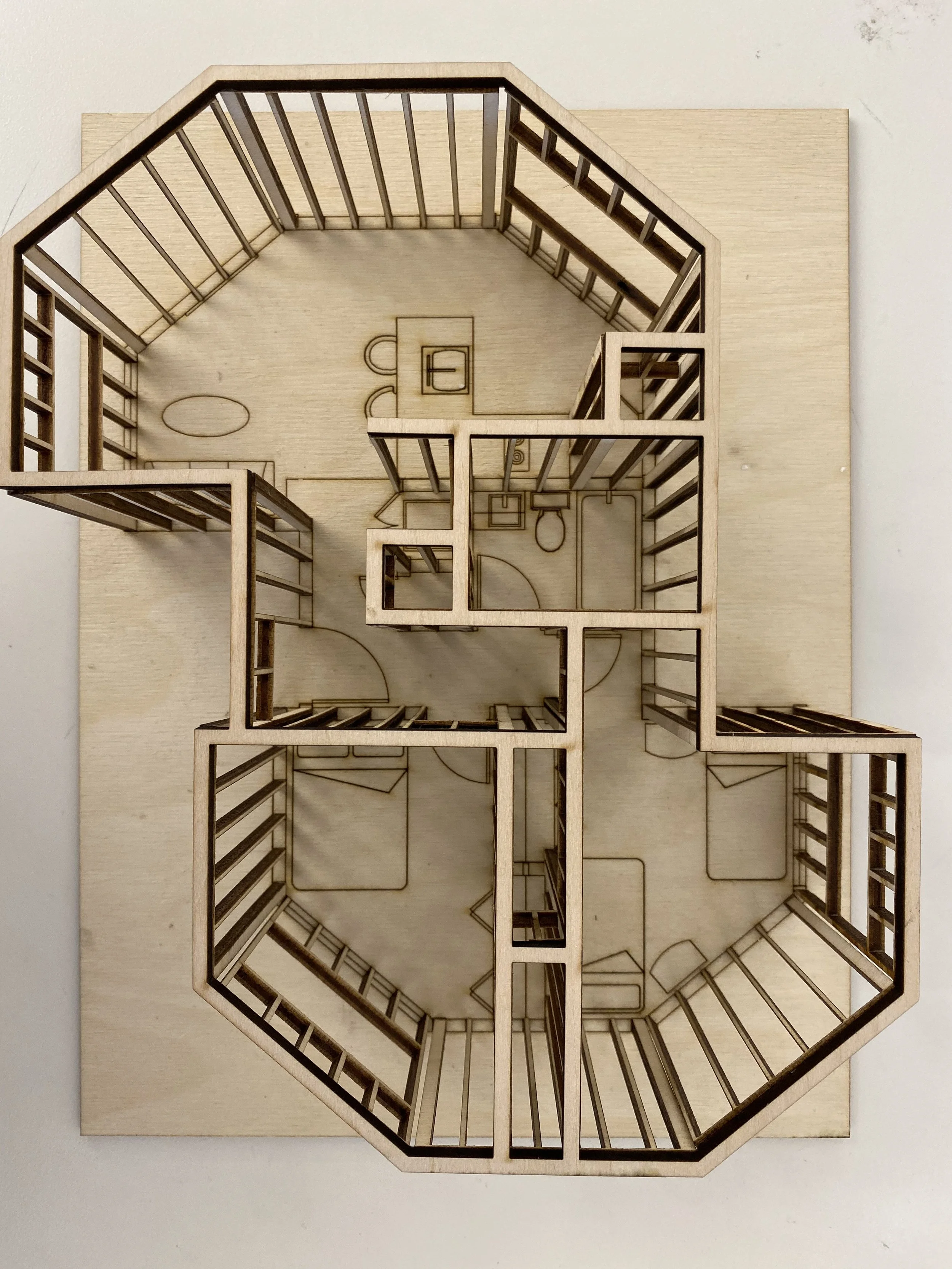
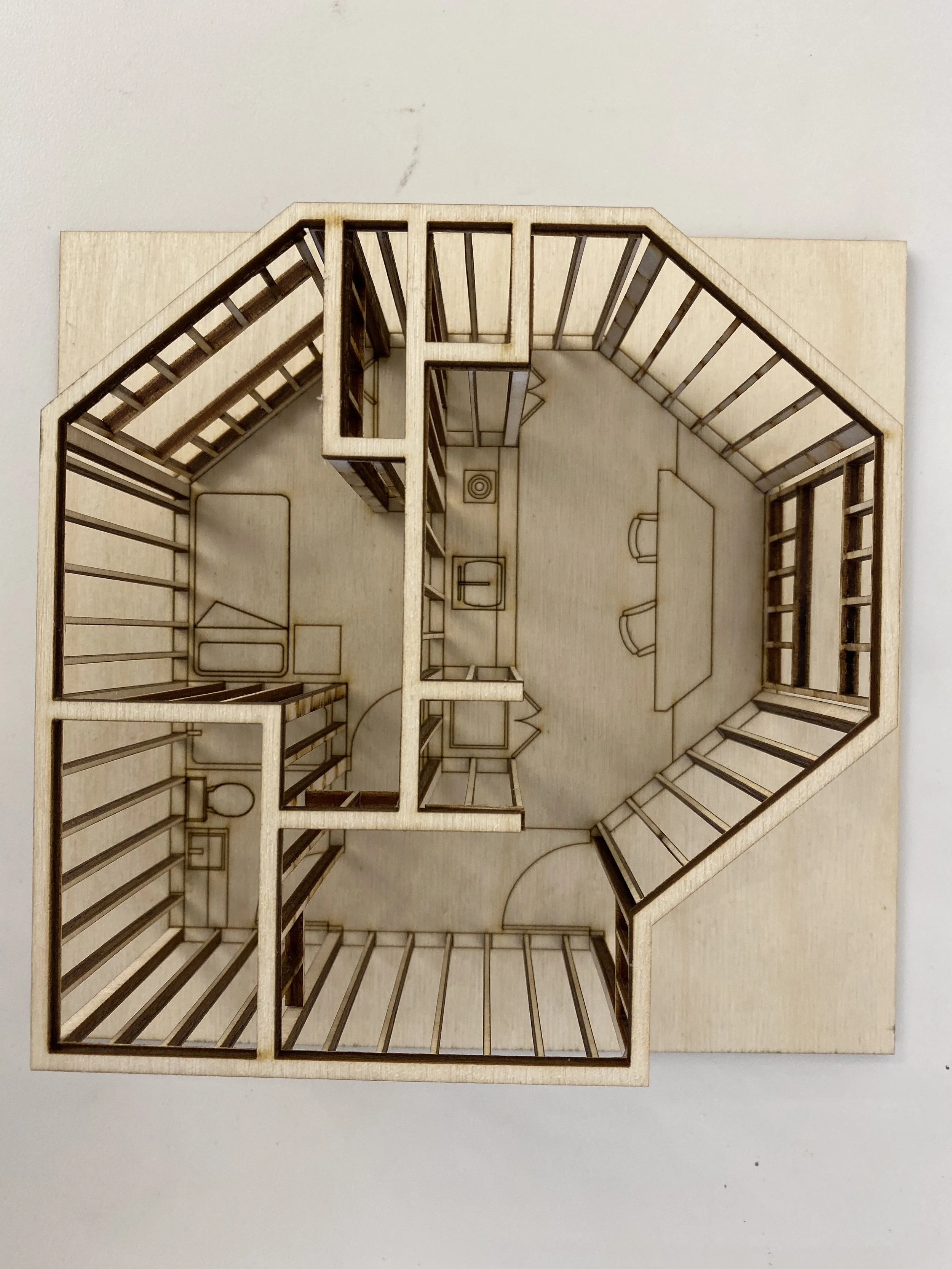
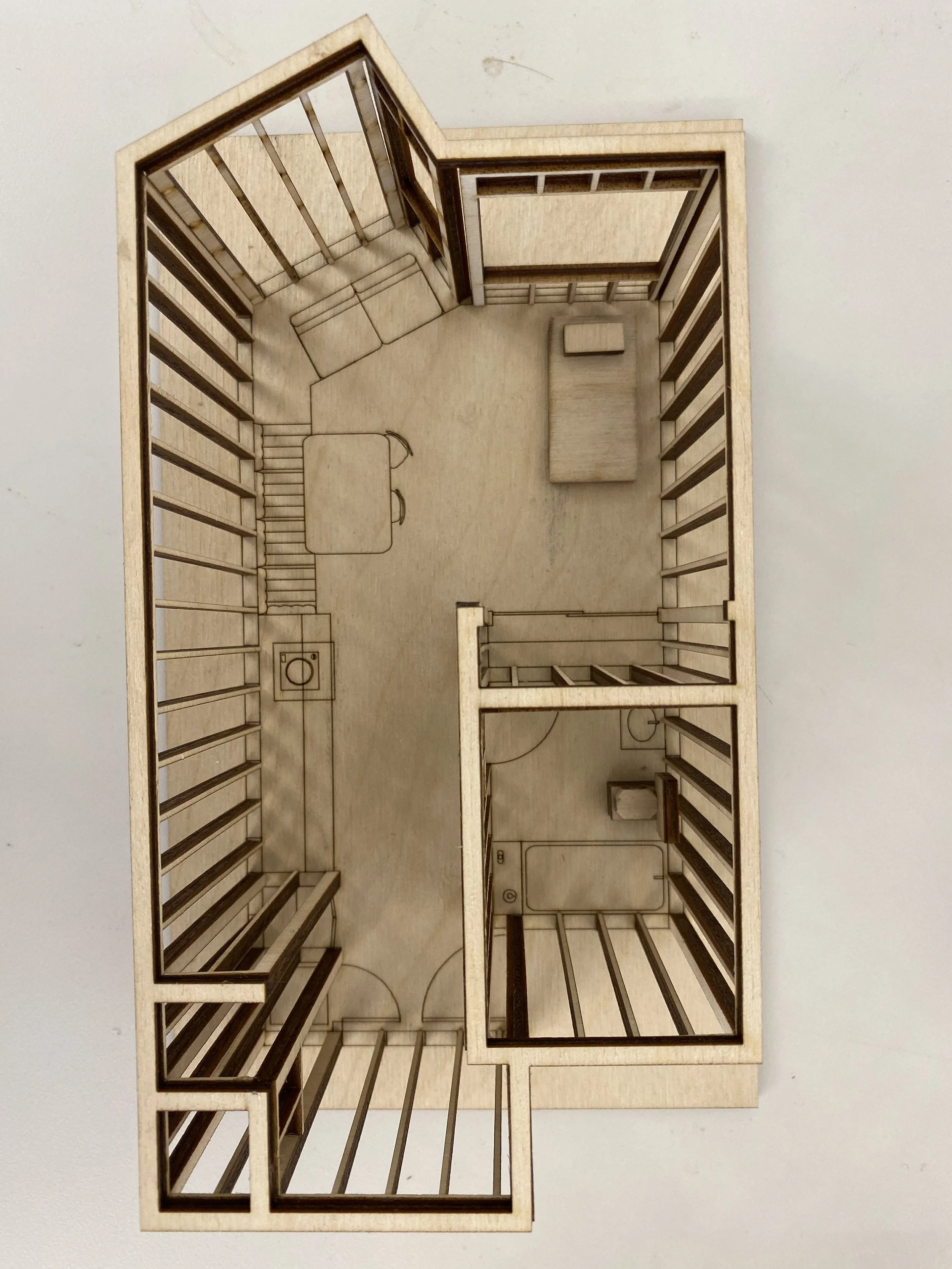
With the 50th anniversary of the first formal Domestic Violence (DV) shelters quickly approaching, this exhibition examines the architectural evolution and typologies for sheltering victims of domestic abuse and proposes new architectural potentials for designing purpose built sanctuaries.
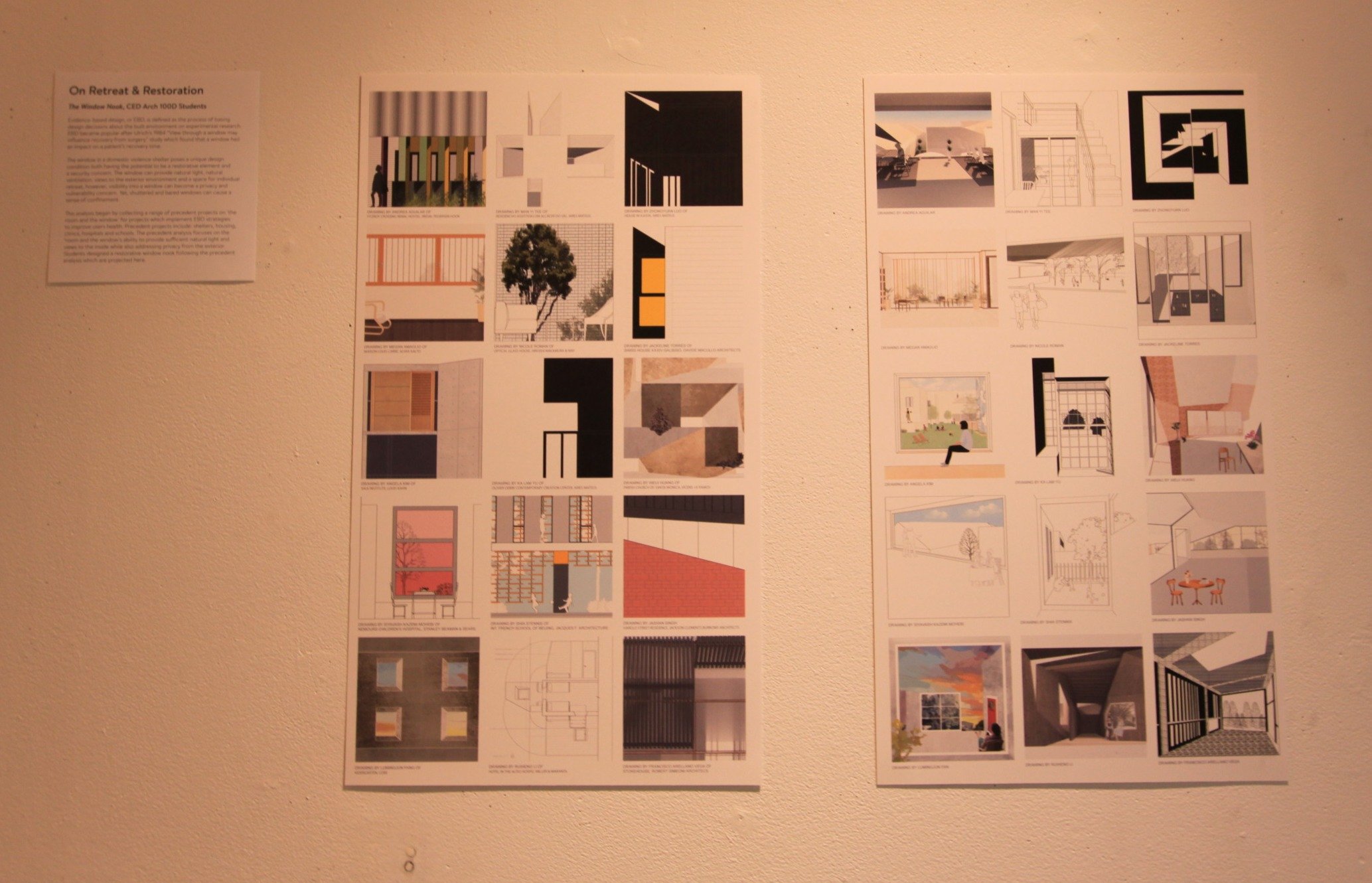
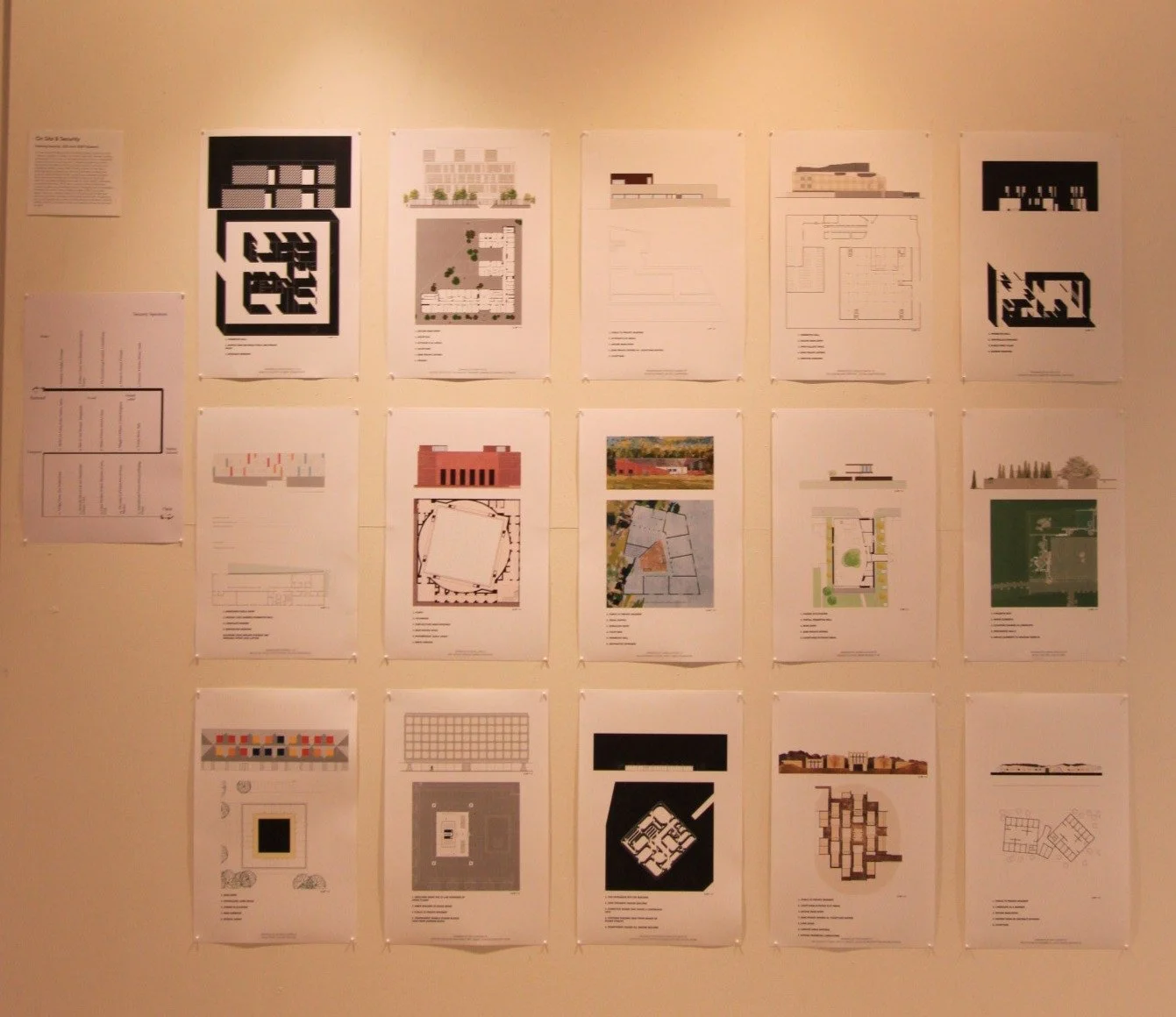
Domestic violence shelters are both architecturally and physically anonymous by design. Drawing from dormitory, housing and prison architecture; they shelter, separate and fortify which brings to question: do they protect or remove? Thus the development and evolution of the DV shelter as an architectural typology is a broader discourse on civil attitudes towards domestic violence, gender and social infrastructure. If the goal of these shelters is to protect, empower and foster autonomy to their patrons, then architecture must evaluate: where they are sited, context and camouflaging methods, security and exposure, the expanse of their programs, material applications and the range of living quarters required.
To shelter, is to give temporary protection from danger. Architecturally ‘to protect from danger’ can often translate into methods of fortification causing suppression through lack of exposure and connectivity to the external environment. Thus, the architecture of shelters must bridge this challenging line between protecting without suppressing its occupants.
Gender-based violence is among the most prevalent and ignored violations of human rights. The physical and emotional harm caused by predators infects households, communities and cities across the globe. Yet, domestic violence shelters as a typology are rarely published or discussed in architectural discourse. The United Nations estimates that acts of violence against women affect at least one out of every three women globally. Domestic violence is cited as one of the leading cause of homelessness, highlighting the social crisis and imminent need for shelters. As long as domestic violence exists the architectural typology of the shelter must take a position within communities.
Mia Zinni, Curator | UC Berkeley, Architecture